Copy-Move Forgery Detection
Sep 2025
Abstract
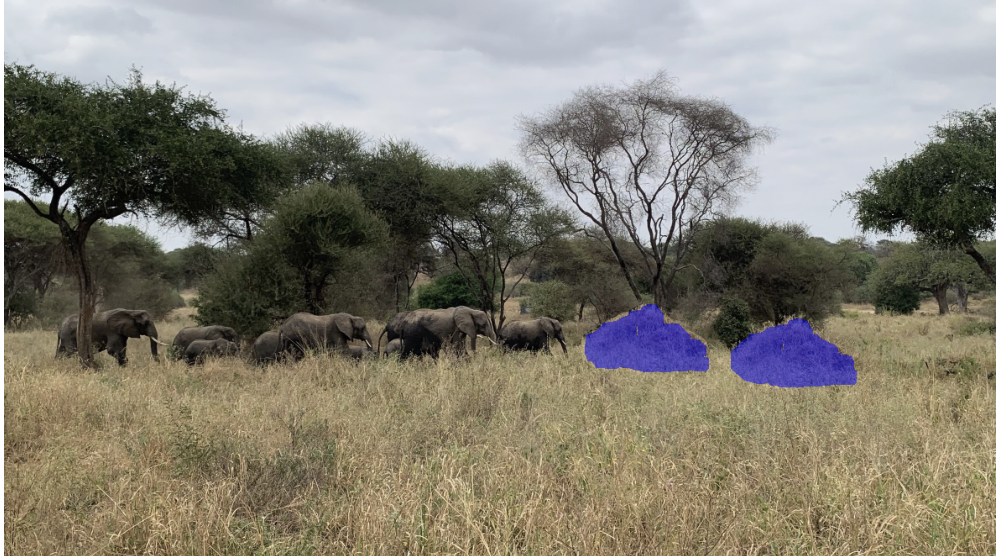
Digital image manipulation has become increasingly common, with copy-move forgery being one of the most prevalent techniques where a region is copied and pasted elsewhere in the same image to hide or duplicate objects. This project implements an automatic detection system based on the PatchMatch algorithm, originally designed for structural image editing. By adapting this dense correspondence algorithm with spatial constraints and post-processing techniques, we created a robust pipeline capable of detecting copy-move forgeries while maintaining resilience against common image alterations such as blur, noise, and JPEG compression.
The PatchMatch Algorithm
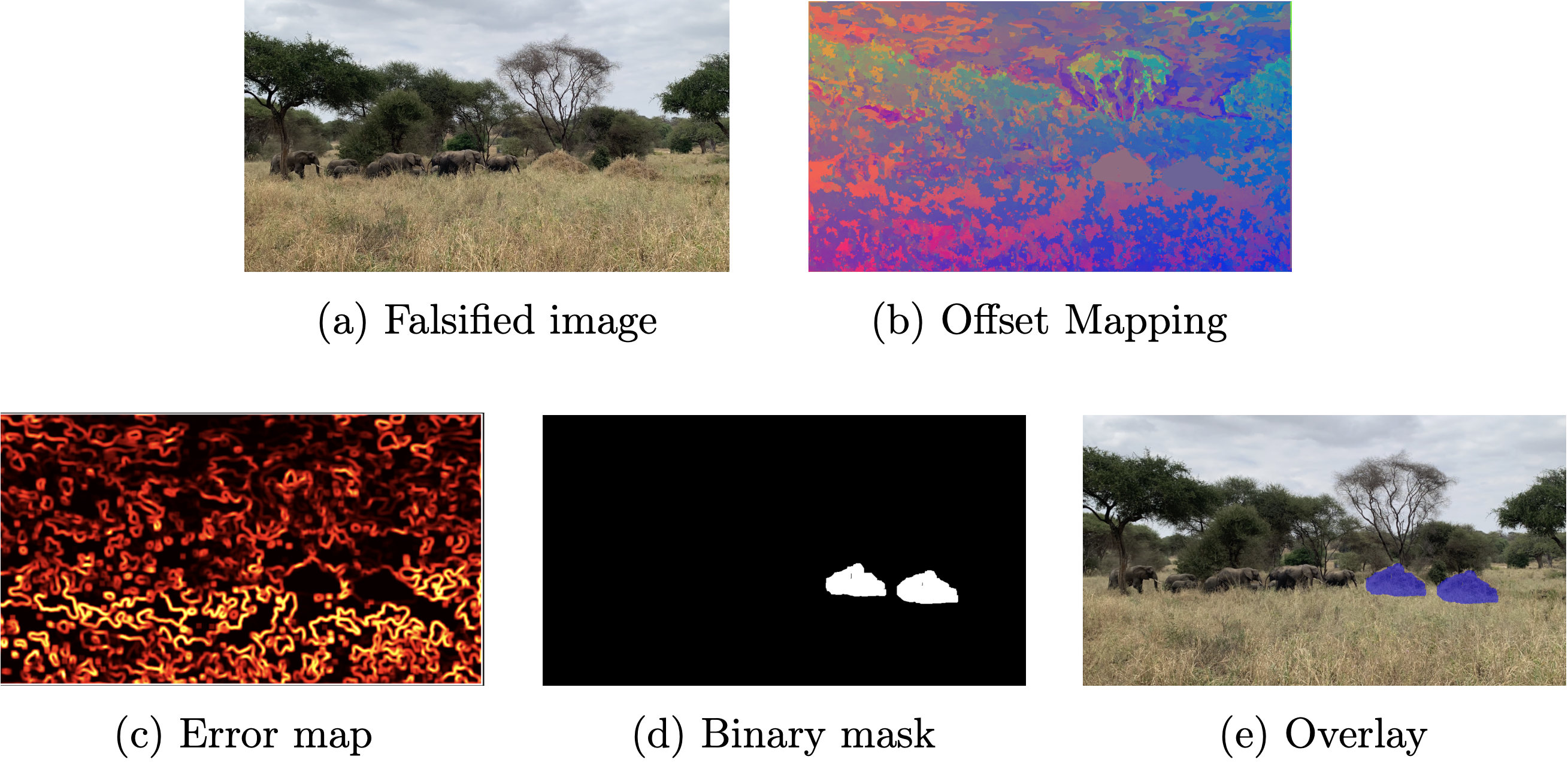
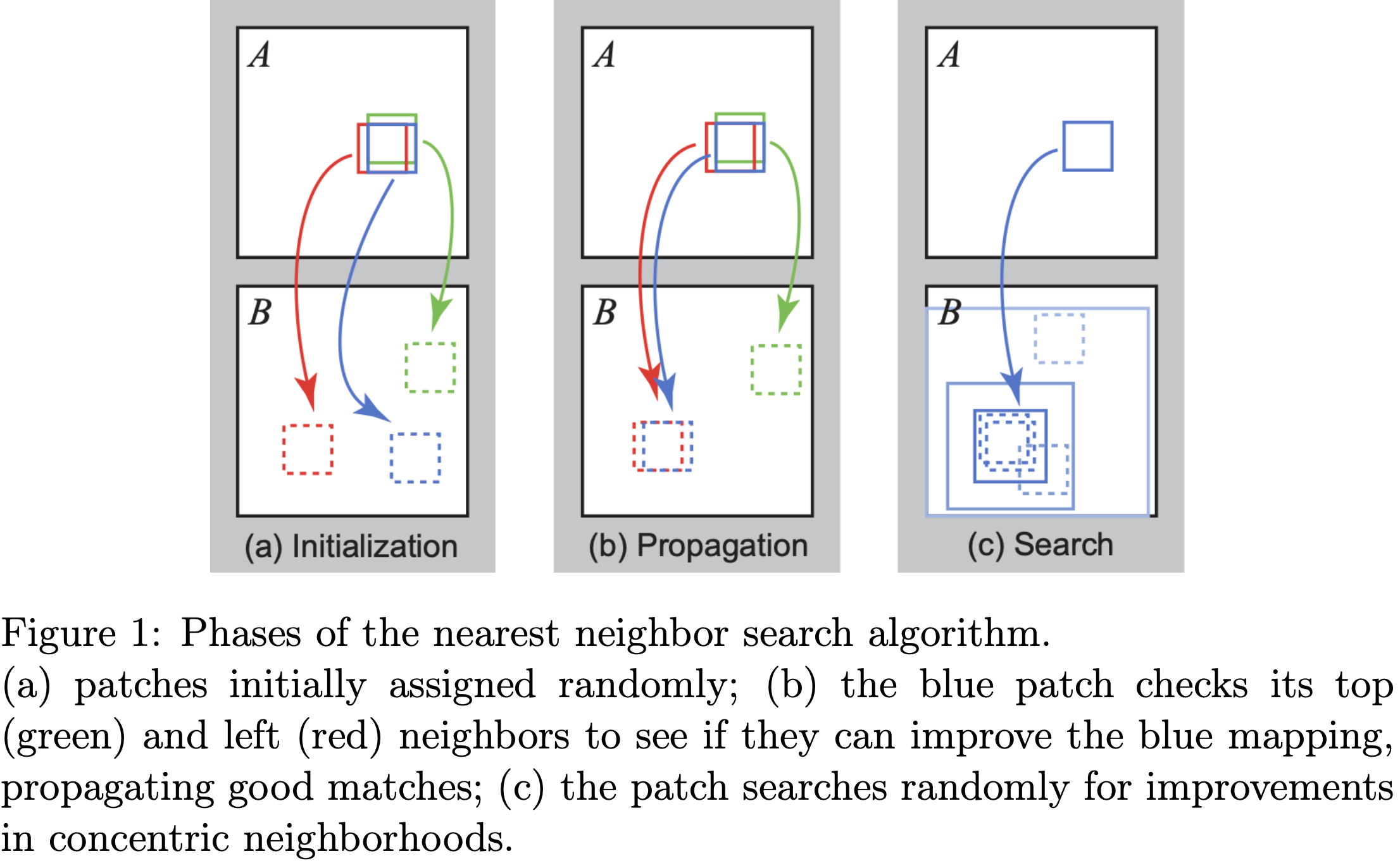
PatchMatch efficiently computes a Nearest-Neighbor Field (NNF) by exploiting local image coherence. The algorithm operates through three key phases: (1) Random initialization assigns random correspondences between patches; (2) Propagation exploits spatial coherence by testing if neighboring offsets improve the current match, using both forward and backward passes; (3) Random search escapes local minima by testing candidates in exponentially decreasing concentric neighborhoods. For copy-move detection, we introduced a 'forbidden zone' constraint that prevents patches from matching to themselves, forcing the algorithm to find duplicated regions elsewhere in the image.
Detection Pipeline
The raw displacement field from PatchMatch requires extensive post-processing to produce reliable binary detection masks. Our pipeline includes: (1) Median filtering on displacement components to remove isolated outliers while preserving boundaries; (2) Error map computation measuring local variance of displacement vectors—copied regions exhibit near-zero variance while natural homogeneous areas show high variance; (3) Global frequency filtering to keep only displacement vectors shared by many pixels (typically >1000); (4) RMSE verification between matched patches to eliminate false positives; (5) Morphological operations including size filtering and dilation to produce clean detection masks.
Results & Robustness
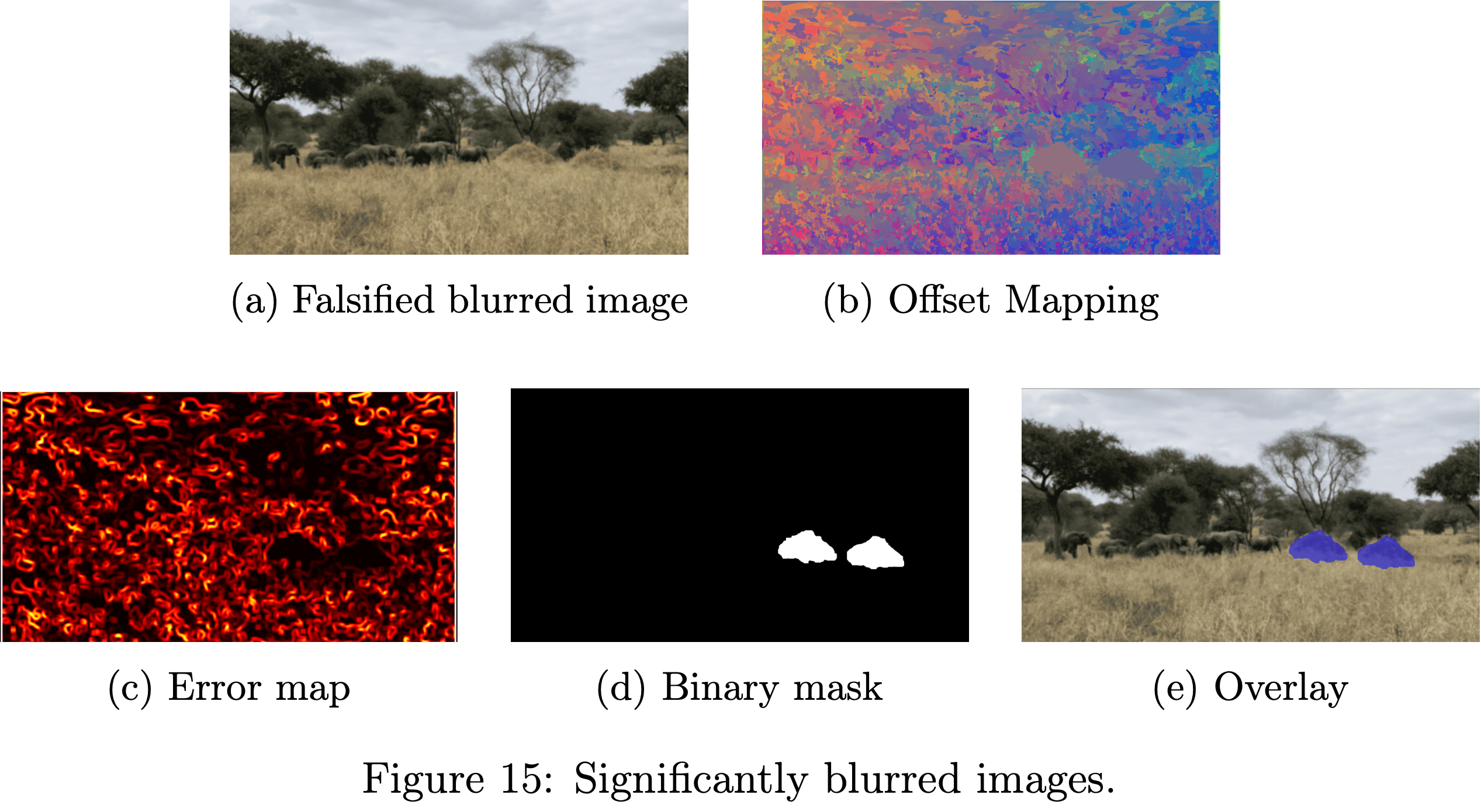
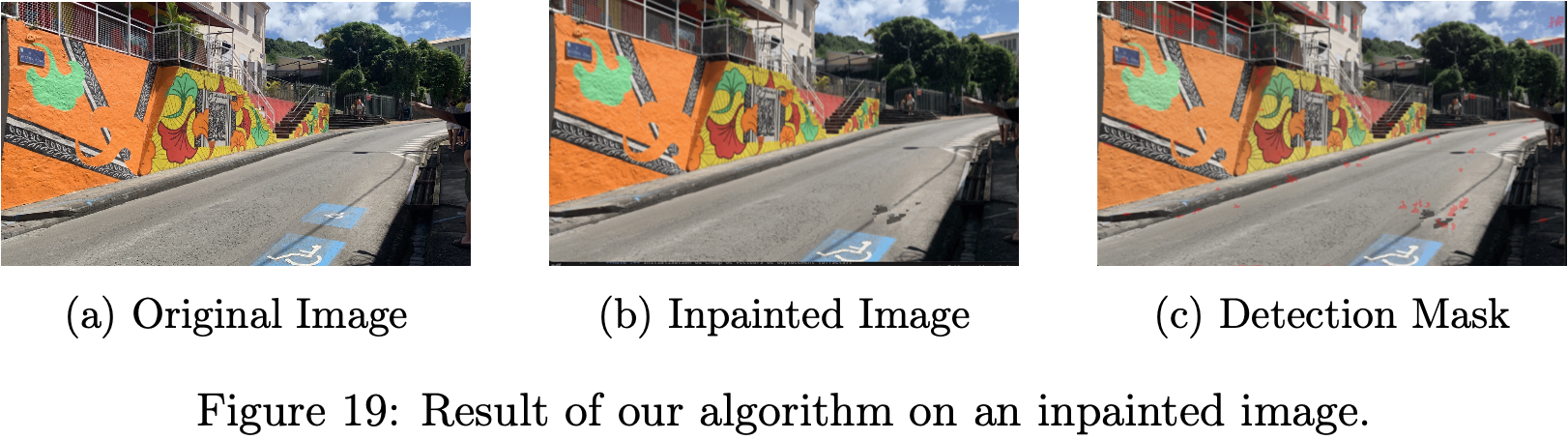
The system successfully detects copy-move forgeries in various scenarios, performing particularly well on simple translations with textured objects. The algorithm demonstrates remarkable robustness: (1) Blur resistance—PatchMatch compares neighborhoods rather than individual pixels, so low-frequency structures remain detectable; (2) Noise tolerance—median filtering effectively handles impulse noise, and the method remains functional with Gaussian noise and JPEG compression artifacts; (3) Parameter sensitivity—the forbidden zone radius must be carefully tuned based on image characteristics (larger for homogeneous areas, smaller for detailed images). Key limitations include difficulty with uniform regions (sky, grass) that exhibit natural self-similarity, inability to handle rotation/scaling without invariant descriptors, and challenges with inpainting where copied patches originate from multiple dispersed locations.